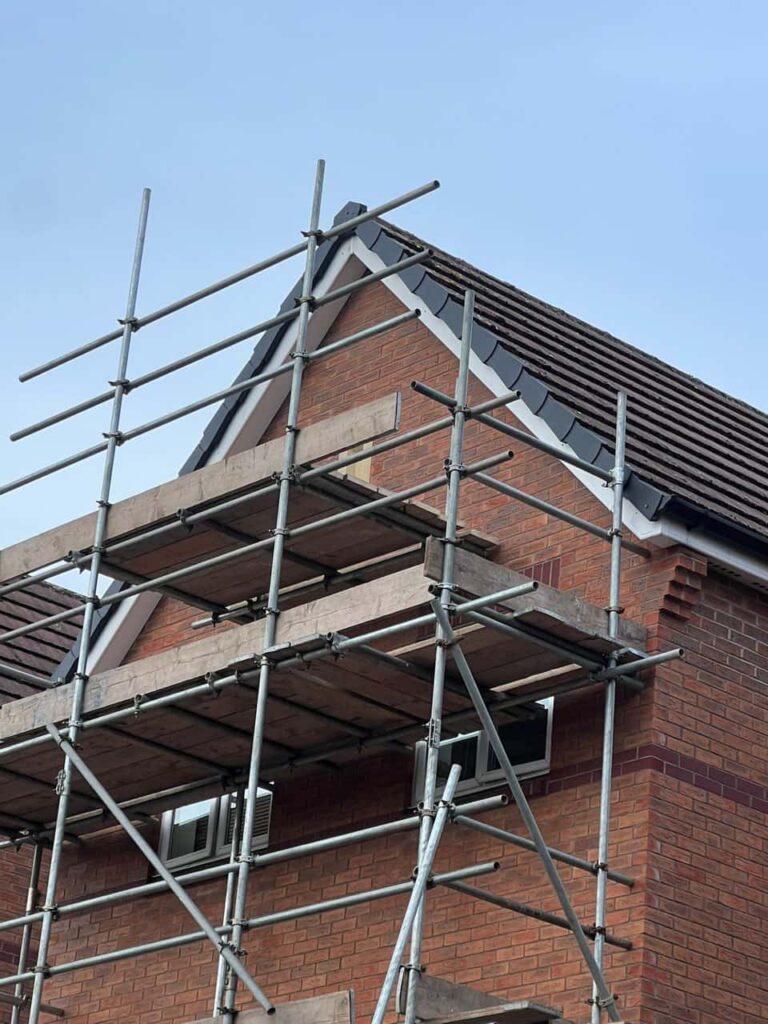
A roof is designed to provide long-term protection, but its continued performance depends on individual components remaining secure and weather-resistant. A slipped tile, deteriorating flashing or small area of water ingress may initially affect only one part of the roof. If that weakness is allowed to remain, however, exposure to further rainfall and weathering can allow deterioration to spread beyond the original defect.
For homeowners in Thurmaston, Leicestershire, dealing with roof problems at an early stage can help preserve materials that remain in good condition and reduce the likelihood of localised damage becoming more extensive. Early repairs cannot prevent every roof from eventually requiring replacement, but they can play an important role in avoiding premature deterioration caused by defects that could have been corrected sooner.
Why Timely Roof Repairs Can Help Extend the Useful Life of a Roof
A roof performs as a complete system. Tiles or slates provide the primary covering, while fixings, underlay, battens, flashing, valleys, ridges and other components work together to manage weather exposure and keep water away from vulnerable areas.
When one component develops a defect, the surrounding roof does not necessarily fail immediately. This creates an opportunity to identify and repair the problem while much of the existing roofing remains serviceable.
The value of early repair lies in preventing a manageable weakness from placing unnecessary strain on other parts of the roof.
Small Roof Defects Can Affect a Larger Area Over Time
A relatively small roofing defect can sometimes have consequences beyond its visible size.
For example, a cracked or displaced tile may expose materials beneath the main covering. Damaged flashing can provide a route for water around a junction, while deterioration within a valley can affect an area responsible for handling significant amounts of rainwater.
If these defects remain unresolved, repeated exposure can gradually affect surrounding components.
Repairing the original weakness early can help contain the problem and protect roofing materials that are still performing properly.
Water Ingress Can Spread Beyond the Original Defect
Roof leaks are particularly important to investigate promptly because water does not necessarily remain close to its entry point.
Once moisture passes beneath the roof covering, it can travel along underlay, battens or structural elements before becoming visible inside the property. This means a small damp patch does not always reflect the full route the water has taken.
Repeated water ingress can also expose materials to conditions they were not intended to experience continuously.
Finding and repairing the source early helps restore the roof’s weather resistance before moisture has further opportunities to affect adjoining areas.
Missing and Slipped Tiles Should Be Addressed Early
One missing or slipped tile does not normally mean that an entire roof requires replacement. It does, however, create a weakness in the roof covering that should be assessed.
Tiles are arranged to work together. When one moves out of position, the layers beneath may become more exposed, and neighbouring tiles can sometimes experience additional movement.
An early repair can involve identifying why the tile moved, checking surrounding materials and restoring the affected section correctly.
This is considerably more useful than waiting until additional components have become involved.
Early Repairs Can Preserve Sound Roofing Materials
One of the main advantages of timely roof repair is the ability to retain parts of the roof that remain in good condition.
If deterioration is confined to a small section, there is little reason to disturb serviceable materials unnecessarily. A targeted repair can correct the affected area while allowing the wider roof to continue performing.
The condition of the surrounding roof is therefore an important part of deciding what work is appropriate.
Professional assessment helps establish where the defect ends and sound roofing begins, allowing repairs to remain proportionate to the actual problem.
Leadwork and Roof Junctions Benefit From Prompt Attention
Not every roof problem originates from the tiles or slates.
Leadwork and flashing around chimneys, walls and other junctions play an important role in keeping these vulnerable transitions watertight. Valleys and changes in roof shape also require effective detailing to manage rainwater correctly.
Small weaknesses in these areas can sometimes allow significant water ingress despite the main roof covering remaining sound.
Addressing deteriorating leadwork or a defective junction promptly can therefore help protect a much larger area of otherwise serviceable roofing.
Why Waiting for a Serious Leak Can Be Misleading
Some homeowners understandably wait for an obvious internal leak before arranging a roof inspection. However, visible water ingress is not always the first stage of a roofing problem.
A tile may have moved without immediately producing a ceiling stain. Flashing can begin deteriorating before enough water enters to become noticeable indoors. Small weaknesses can also remain relatively quiet during dry weather before prolonged rainfall exposes them.
Waiting for an obvious leak can therefore allow a repairable defect to remain exposed longer than necessary.
Having visible roof damage assessed when it is first noticed can provide a clearer understanding of whether action is required.
Recurring Repairs May Indicate a Different Problem
Early repair is valuable, but repeatedly repairing the same symptom is not the same as dealing with a problem effectively.
If a leak returns in the same area or tiles repeatedly move from one section, the underlying cause should be investigated. There may be deterioration beneath the visible covering, a weakness in a roof junction or another component contributing to the repeated failure.
Accurate diagnosis becomes especially important in these circumstances.
A well-targeted repair should address why the defect is occurring rather than simply restore the appearance of the affected area temporarily.
Roof Age Does Not Automatically Mean Replacement
An older roof can still contain substantial areas of serviceable material.
Age provides useful context when assessing a roof, but it should not be the only factor used to determine whether replacement is necessary. Maintenance history, material condition, previous repairs and the extent of current deterioration are equally relevant.
A roof that has received appropriate attention throughout its life may remain dependable even after individual components have required repair.
Conversely, allowing minor problems to develop unchecked can contribute to deterioration that makes an otherwise avoidable early replacement more likely.
How Professional Assessment Supports Effective Early Repairs
The earlier a roofing problem is investigated, the easier it can be to understand its original extent.
A professional roof assessment can consider:
- cracked, loose, slipped or missing tiles and slates;
- the condition of surrounding roofing materials;
- leadwork and flashing;
- valleys and roof junctions;
- ridge and hip areas;
- signs of water ingress;
- previous repair areas;
- whether defects are isolated or repeated;
- visible deterioration beneath the roof covering;
- the overall consistency of the roof.
These observations help determine whether a focused repair is appropriate or whether the problem has already become more extensive.
Can Early Repairs Always Prevent Roof Replacement?
No roof can be preserved indefinitely through repairs alone. Roofing materials naturally age, and there will eventually be situations where deterioration becomes sufficiently widespread that replacement is the more appropriate approach.
The purpose of early repair is not to avoid replacement at all costs.
Instead, it is to prevent a roof from reaching that stage earlier than necessary because manageable defects were left unresolved. Where the overall roof remains sound, timely repairs can help maintain its performance and preserve its useful service life.
Knowing the difference between a repairable defect and general roof deterioration is why professional assessment is so valuable.
Signs That Your Roof May Benefit From Early Attention
Roof problems worth investigating can include:
- slipped, cracked or missing tiles;
- recurring damp patches;
- intermittent water ingress;
- damaged or lifting flashing;
- deterioration around chimneys or roof junctions;
- loose ridge or hip components;
- problems appearing after strong winds;
- defects returning in previously repaired areas;
- several roofing components beginning to deteriorate.
These signs do not automatically indicate extensive damage. In many cases, they may reveal exactly the kind of localised problem where timely attention can be particularly beneficial.
Professional Roof Repairs in Thurmaston, Leicestershire
At Thurmaston Roofing Repairs, we understand the value of identifying roofing defects before they have an opportunity to affect larger areas.
A careful assessment allows the cause and extent of the problem to be established before deciding what repair is appropriate. Where the surrounding roof remains in good condition, focused work can address the affected component while retaining serviceable roofing elsewhere.
For property owners in Thurmaston, this approach provides a practical way to maintain roof performance without recommending more extensive work than the condition genuinely requires.
Conclusion
Early roof repairs can help prevent the need for premature replacement by stopping localised defects from developing into wider deterioration. A slipped tile, damaged flashing or small point of water ingress may initially be straightforward to correct, but leaving the weakness exposed can allow surrounding materials to become affected over time.
Timely repair is most effective when combined with accurate diagnosis. Identifying why a problem has developed, assessing the surrounding roof and correcting the underlying defect can help preserve sections that remain sound.
If you have noticed signs of roof deterioration at your property in Thurmaston, Leicestershire, contact Thurmaston Roofing Repairs. We can assess the affected area and recommend an appropriate repair designed to restore dependable roof performance without unnecessary work.
Call us on: 0116 216 5397
Click here to find out more about Thurmaston Roofing Repairs
Click here to complete our contact form and see how we can help with your roofing needs.